
Exploring the Benefits and Convenience of Teletherapy
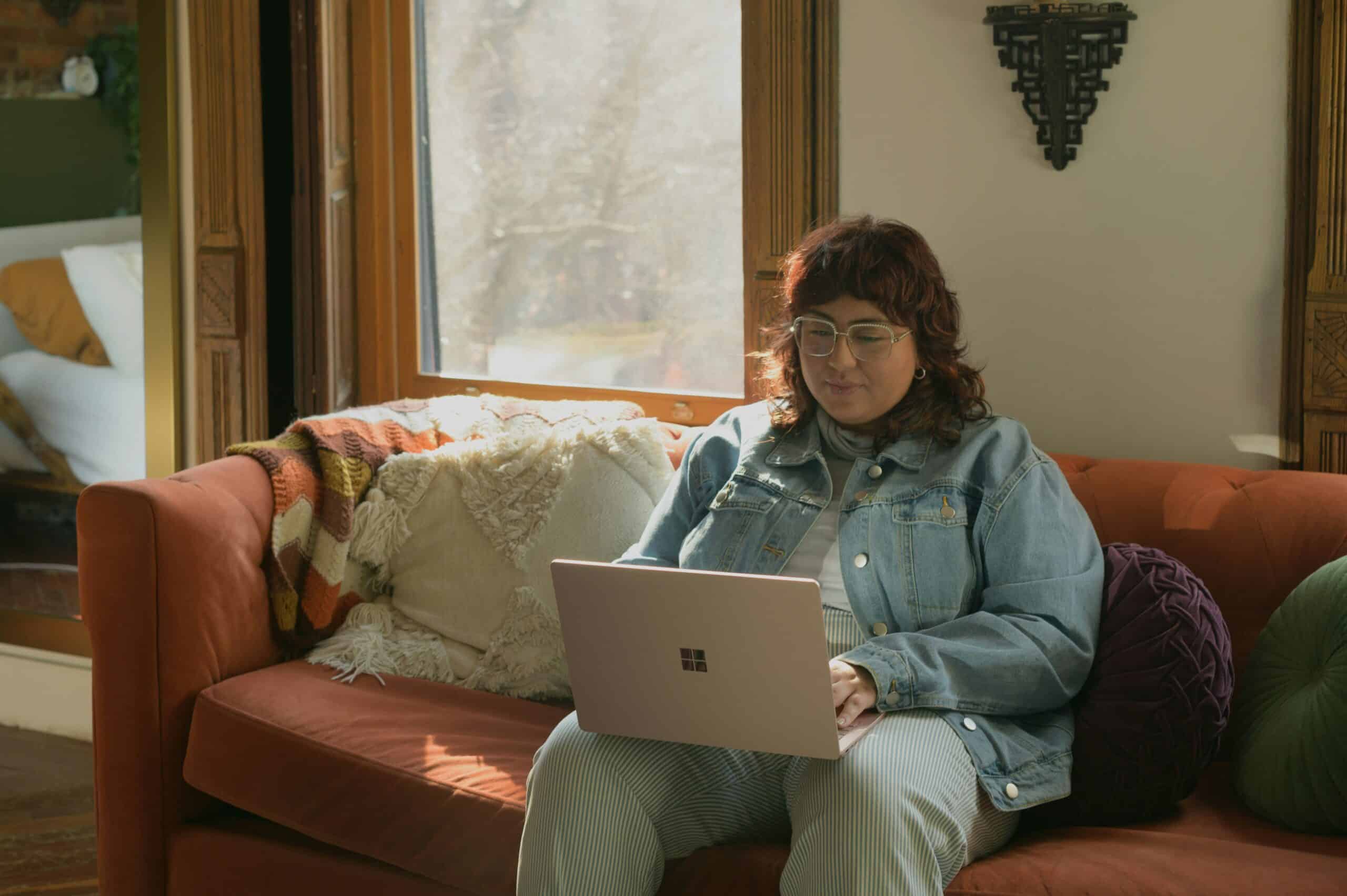
Teletherapy is revolutionizing the way mental health practices deliver care, breaking barriers, and expanding access to vital services. By eliminating the need for travel, lengthy wait times, and geographic limitations, teletherapy ensures clients can connect with mental health professionals from the comfort of the patient’s home. This innovative approach has made high-quality mental health care more accessible and inclusive.
Initially, some mental health professionals were skeptical about the effectiveness of teletherapy. Could virtual sessions truly replicate the rapport and results of in-person therapy? However, many practitioners and clients have found that the warmth and connection of therapy can transcend the screen, creating a therapeutic environment that feels just as genuine and supportive as an office visit.
Table of Contents:
- What Exactly is Teletherapy?
- The Science Behind Teletherapy’s Effectiveness
- Breaking Down Barriers to Mental Health Care
- The Cost-Effective Nature of Teletherapy
- Overcoming Challenges in Teletherapy
- The Future of Teletherapy
- Is Teletherapy Right for You?
- Getting Started with Teletherapy
- Conclusion
What Exactly is Teletherapy?
Teletherapy, also known as online therapy or e-therapy, delivers mental health services online. It encompasses various formats, such as real-time video conferencing, phone calls, secure text messaging, and email. The goal, like traditional therapy, is to help people address emotional challenges, mental health issues, and life stressors with professional guidance. Teletherapy sessions typically last about 50 minutes.
One of teletherapy’s biggest advantages is its flexibility. It accommodates busy professionals, parents with family obligations, and those with unpredictable schedules, empowering these types of patients to prioritize their mental well-being with fewer restrictions.
The Science Behind Teletherapy’s Effectiveness
Research shows teletherapy is as effective as face-to-face sessions for various mental health conditions. It works for numerous mental illnesses, offering support and treatment from qualified online therapists.
Studies confirm the power of teletherapy.
- A 2020 study reported that online cognitive behavioral therapy (CBT) is “at least as effective” as in-person CBT for reducing depression symptoms.
- Virtual therapy offers an “effective and cost-effective” way to treat anxiety symptoms, according to one study.
- The University of Zurich found that people receiving virtual therapy felt their care was more “personal.”
- Couples in online relationship counseling felt safer, “less intimidated and judged” than in-person sessions.
These findings challenge the idea that physical presence is essential for a strong therapeutic bond. The online setting allows some people to discuss sensitive topics more easily. Teletherapy works exceptionally well for individuals dealing with bipolar disorder, enabling effective sessions from any location. It serves as an invaluable resource, supplementing primary care efforts to provide comprehensive care. It’s no surprise that so many now find psychotherapy online as well.
Breaking Down Barriers to Mental Health Care
Teletherapy expands access to mental health care, which is vital considering over half of U.S. residents lack sufficient local behavioral health providers. This includes therapy services offered both in the therapist’s office and online. It makes it much more accessible and convenient to make a telehealth appointment.
Here’s how teletherapy bridges the gap:
- Removes location limitations, bringing specialized care to rural or underserved communities.
- Reduces the need for travel, which can be hard for those with disabilities or chronic illnesses. Teletherapy helps you save time on commutes to therapy sessions, making mental health services more convenient.
- Offers a private option for those worried about the stigma associated with in-person sessions. The privacy policy is discussed so clients feel comfortable in the safety of their own home or location.
- Provides flexible scheduling to balance work, childcare, and other commitments.
As a mental health professional, I worked with a client far from any eating disorder specialists. Teletherapy gave her access to crucial specialized care without relocating or lengthy commutes. Teletherapy offers similar access to care for other conditions such as bipolar disorder, supporting those who live in remote locations. Having therapy sessions online ensures individuals can prioritize their well-being and get the specialized care they deserve, especially when facing limitations due to geographic location.
The Cost-Effective Nature of Teletherapy
Teletherapy can be more affordable than traditional therapy. Lower overhead costs for providers may mean savings for clients, making teletherapy a practical choice. Therapists charge fees that are usually more affordable since they have fewer overhead expenses, making online counseling a budget-friendly option for many people.
In-person therapy averages $100-$200 per session. Teletherapy sessions tend to be cheaper, with some platforms using subscription models to further cut expenses. There is so much online cognitive behavioral therapy content available now that you can likely find someone who is qualified and in your budget.
Many health insurance plans cover teletherapy, especially after the COVID-19 pandemic. So, teletherapy might cost the same or even less than in-person care. Check if your policy covers mental health treatment, and if not, look for an online therapist with transparent and affordable pricing options for self-pay clients.
Overcoming Challenges in Teletherapy
Teletherapy has challenges, despite its advantages. Having used teletherapy, I’ve encountered a few firsthand. Teletherapy refers to services provided via a computer, tablet, or smartphone, and although very accessible, issues do sometimes arise. Here are potential issues and solutions. This also includes phone calls or messaging telephones. If you’re looking for a new way to experience in-person therapy, this could be it. This has been proven effective in a systematic review and through several peer-reviewed studies.
Technology Issues
Technical glitches can interrupt therapy sessions. Prepare beforehand.
- Check your internet and devices beforehand.
- Have a backup plan like a phone call if video fails.
- Find a quiet, private spot with minimal distractions.
Privacy Concerns
Confidentiality is essential in therapy. Teletherapy addresses privacy. The goal is for each teletherapy session to help you feel comfortable and secure.
- Use secure, HIPAA-compliant platforms meant for health care.
- Find a private space where no one can overhear you.
- Discuss privacy rules with your therapist before starting. This usually is included in the privacy policy.
Building Rapport
While strong online therapeutic relationships are possible, it sometimes takes extra effort. For individuals with eating disorders, building trust through teletherapy is key for open communication.
- Use video for non-verbal communication.
- Discuss how you feel about the online format with your therapist. This is usually brought up during your teletherapy session so that you both have the opportunity to share how you feel about the virtual medium.
- Be patient, building comfort might take a few sessions. You are always encouraged to use whatever mediums are at your disposal so whether it’s using your phone or another type of electronic device to send messages to each other you have every option at your disposal.
The Future of Teletherapy
Advances in technology are boosting teletherapy’s potential. New developments, like virtual reality therapy for phobias and PTSD, offer immersive experiences. AI chatbots can give 24/7 support for anxiety or depression. Some therapists offer options such as real-time video and other communication mediums such as text messages or email as well.
Evaluate these innovations critically. Technology can enhance, not replace, the human element of therapy. Technology should support the therapeutic relationship, not automate it.
Is Teletherapy Right for You?
Teletherapy effectively addresses many mental health issues, but it isn’t universal. Teletherapy benefits include text messaging or the internet phone to name a couple of advantages. The telebehavioral health component of care often helps with many types of treatment needs.
It can be particularly useful if you:
- Lack local access to mental health providers.
- Have a demanding schedule.
- Feel anxious about in-person sessions. In fact, in-person sessions are becoming less popular now with more options such as internet phone calls available.
- Have physical limitations affecting travel.
- Seek more budget-friendly therapy.
In-person therapy might be better for serious mental health issues needing close observation, or if you prefer face-to-face connection.
Teletherapy is offered in various languages, such as Spanish, benefiting non-English speakers.
Getting Started with Teletherapy
If teletherapy interests you, take these steps. Teletherapy offers a convenient avenue to start your mental health journey, as opposed to the traditional process of researching therapists on directories like Psychology Today. Instead, you can search various therapy websites or directories for the terms “office online” or “therapy online”, and filter results by the counselor’s specialties, treatment approaches, and other factors such as their online cognitive behavioral therapy offerings.
- Check your insurance coverage for teletherapy.
- Research online platforms or ask your doctor for referrals. Many resources provide more information, and therapists will have content online. Many offer both teletherapy sessions and therapy sessions at the same location so it is always a great idea to ask what their options are.
- Verify the therapist’s credentials and licensing.
- Schedule a consultation to ensure you’re comfortable with them. This is done by having a telehealth appointment or teletherapy session.
- Prepare your space and devices for your first session.
Trying several therapists or platforms before finding the right fit is normal. Feeling comfortable and supported during your mental health journey is crucial.
Conclusion
Teletherapy offers accessible, flexible, and effective mental health care, making it a vital resource in today’s digital world. Whether you’re managing anxiety, depression, relationship challenges, or simply need someone to talk to, teletherapy provides support regardless of your location. It’s a convenient option for both therapy and health services, conducted through online sessions or over the phone.
The team at Bridgepoint Clinic is committed to making mental health care more accessible through teletherapy. Our therapists provide personalized, compassionate care to help you prioritize your well-being. Finding the right approach is essential, and teletherapy might be the solution that fits your lifestyle and needs.